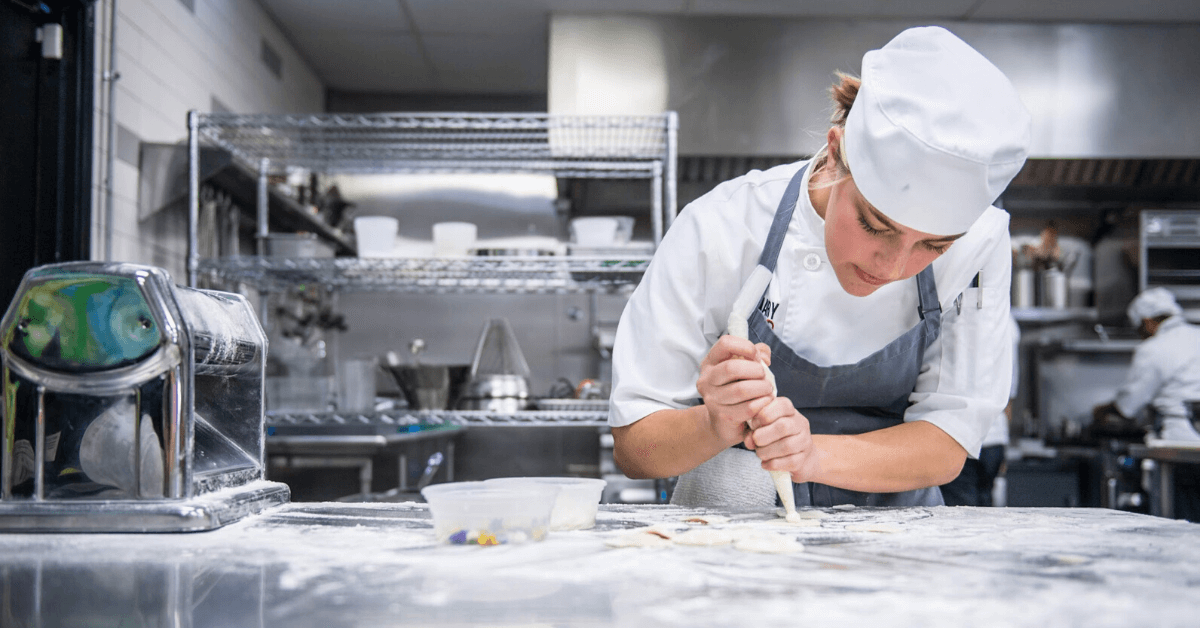
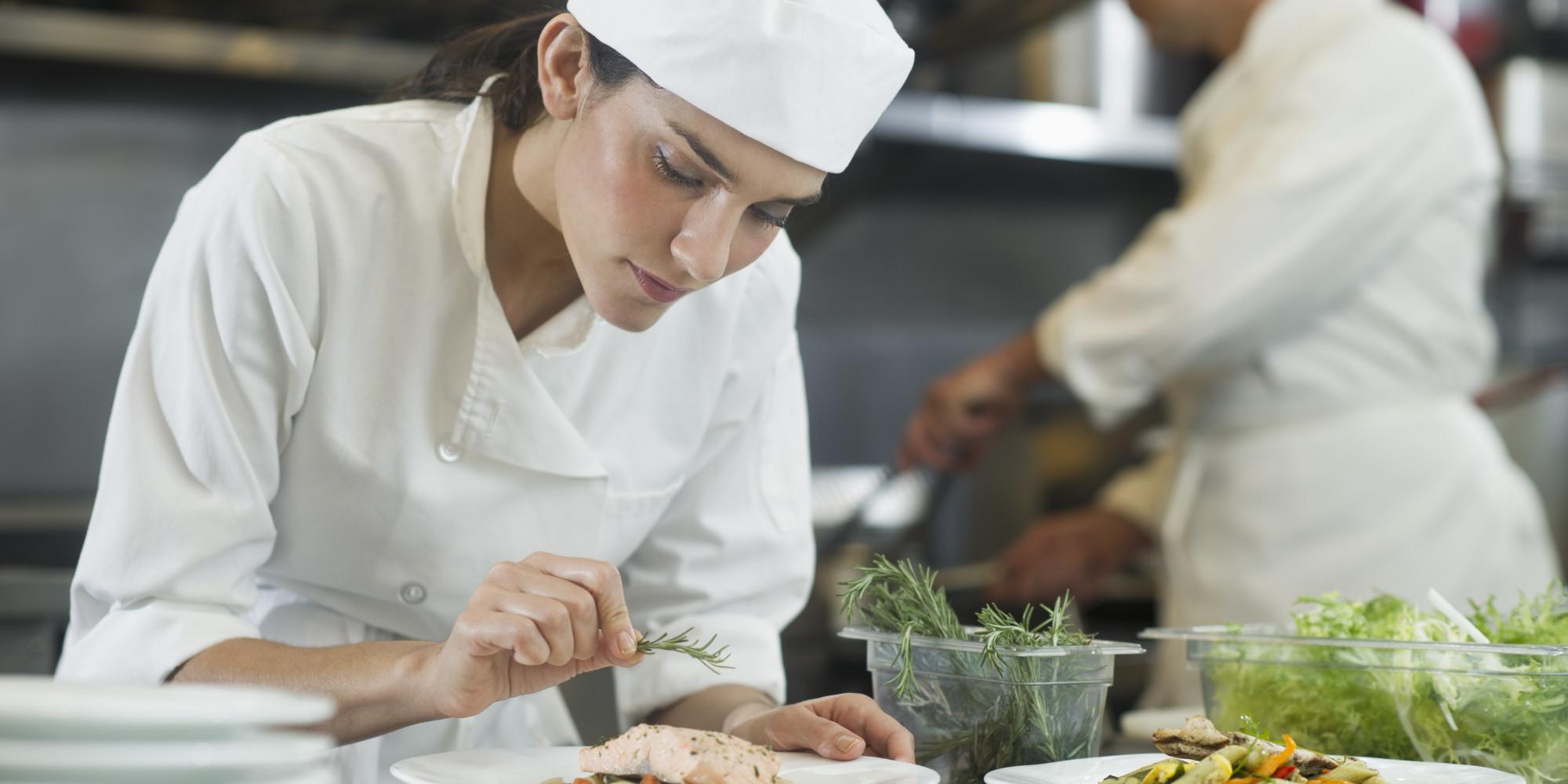
Food has always been more than just nourishment. It reflects culture, creativity, lifestyle, and the way people connect across the world. Today, kitchens are transforming into experimental spaces where chefs and home cooks alike explore new ingredients, cooking methods, and presentation styles. What we eat is no longer shaped only by tradition, but also by technology, health awareness, and the influence of digital communities that share recipes and inspiration every day.
Across the globe, modern culinary trends are redefining how meals are created and experienced. These shifts reveal how innovation, sustainability, and creativity merge in the kitchen, turning everyday dishes into something more meaningful. From restaurants experimenting with futuristic plating to home cooks crafting visually stunning meals for online audiences, the culinary world is moving toward a new era where food becomes both an experience and a form of storytelling.
The Evolution of Modern Food Culture
Food culture today is evolving at a remarkable pace. What once required years of culinary training can now be explored by anyone with curiosity, a smartphone, and access to global inspiration. Cooking has become a dynamic conversation between chefs, creators, and everyday food lovers.
These changes reflect broader global culinary trends 2026, where international flavors blend freely and creative experimentation becomes the norm. Ingredients from different cultures meet on the same plate, creating exciting culinary combinations that once felt unimaginable.
Food futurist Dr. Morgaine Gaye explains that modern food culture is “increasingly shaped by curiosity and cross-cultural exploration, where people seek new experiences through flavor, texture, and visual creativity.” This curiosity is pushing the boundaries of what modern cuisine can become.
Technology Influencing Culinary Creativity
Technology now plays a powerful role in shaping culinary creativity. Smart appliances, precision cooking tools, and digital recipe platforms allow cooks to experiment with techniques that were once limited to professional kitchens.
From sous-vide cooking to AI-assisted recipe generators, technology enables chefs to refine textures, temperatures, and flavor combinations with remarkable accuracy. These innovations encourage experimentation and inspire new styles of cooking that feel both modern and accessible.
As a result, kitchens are becoming innovation hubs where creativity meets technology. Even home cooks are discovering that a simple device or digital tool can unlock an entirely new way of preparing food.
Social Media Shaping Global Tastes
Social media has transformed how food trends travel across the world. A recipe shared online today can reach millions of viewers within hours, inspiring people from different cultures to recreate the same dish in their own kitchens.
Platforms like TikTok, Instagram, and YouTube have become powerful culinary stages. Recipes are no longer just instructions, they are visual experiences that blend storytelling, creativity, and personality.
Chef and food innovation expert Heston Blumenthal once noted that “modern diners are influenced as much by what they see online as by what they taste in restaurants.” This shift highlights how digital culture shapes global taste preferences and encourages culinary experimentation.
Home Cooks Becoming Digital Food Creators
One of the most fascinating developments in modern food culture is the rise of home cooks as influential creators. Kitchens have evolved into creative studios where cooking, photography, and storytelling happen simultaneously.
People now share personal recipes, plating ideas, and cooking techniques with audiences around the world. This shift has blurred the line between professional chefs and passionate home cooks.
The result is a vibrant digital food community where creativity flows freely, and inspiration can come from anywhere, sometimes from the most unexpected kitchens.
Food Presentation and Aesthetic Trends
Food presentation has become a defining feature of contemporary dining. In the modern culinary world, taste and visual appeal work together to create memorable experiences.
Today’s diners expect meals that look as impressive as they taste. Whether in restaurants or at home, presentation has become an artistic expression that transforms simple ingredients into captivating dishes.
Minimalist Plating Styles
Minimalism is influencing the way chefs design their plates. Instead of overcrowded dishes, modern plating focuses on simplicity, balance, and intentional composition.
Each ingredient has a clear purpose, and negative space on the plate highlights the beauty of the main components. This approach allows diners to appreciate both the visual harmony and the flavor profile of a dish.
Minimalist plating reflects a broader design philosophy in modern gastronomy, less can truly be more.
Colorful and Visually Appealing Dishes
While minimalism remains popular, vibrant dishes are also gaining attention. Bold colors instantly attract the eye and often signal freshness and nutritional value.
Chefs increasingly use naturally colorful ingredients such as purple sweet potatoes, turmeric, beetroot, edible flowers, and vibrant greens. These elements transform meals into visual works of art while maintaining rich flavors and nutritional benefits.
The visual appeal of food now plays a major role in how dishes are perceived and remembered.
Photogenic Meals for Social Media Sharing
In the digital age, many meals are photographed before the first bite is taken. This cultural habit has encouraged chefs and home cooks to design dishes that look striking on camera.
Photogenic meals often feature layered textures, symmetrical plating, or dramatic color contrasts. Lighting, composition, and visual storytelling all contribute to how a dish is presented online.
This connection between food and visual culture continues to shape the direction of culinary creativity around the world.
Health Conscious Culinary Movements
Health awareness has become one of the strongest forces driving culinary innovation. People today are more mindful of what they eat and how it affects their energy, wellbeing, and long-term health.
Modern cooking trends increasingly focus on balance, nutrition, and sustainable ingredients while maintaining delicious flavors.
Plant Based Cooking Trends
Plant-based cooking continues to gain global popularity. Many people are exploring vegetable-forward meals not only for ethical reasons but also for health and sustainability.
Creative plant-based dishes now feature complex flavors and satisfying textures that appeal to a wide audience. Chefs are reinventing traditional recipes using legumes, mushrooms, grains, and plant proteins to create exciting alternatives.
This shift reflects a broader cultural movement toward mindful eating and environmental awareness.
Functional Foods and Super Ingredients
Functional foods are becoming a key component of modern cuisine. These ingredients provide specific health benefits beyond basic nutrition.
Superfoods such as fermented vegetables, chia seeds, turmeric, and adaptogenic mushrooms are now appearing in everyday recipes. They support digestion, immunity, and overall wellness while adding unique flavors to dishes.
Consumers increasingly seek meals that nourish both the body and the senses.
Balanced Meals Designed for Modern Lifestyles
Busy lifestyles have changed the way people approach cooking and meal planning. Many individuals look for recipes that are both nutritious and practical.
Balanced meals often combine lean proteins, healthy fats, and nutrient-rich vegetables in simple yet satisfying combinations. Quick preparation methods and versatile ingredients make these meals easier to incorporate into daily routines.
Modern culinary thinking recognizes that great food should support both health and convenience.
Explore the Culinary Trends That Will Define 2026
The culinary world is entering an exciting chapter where creativity, health awareness, and digital culture intersect. These developments show that food is no longer just about recipes, it is about experiences, connections, and discoveries that bring people together.
As these global culinary trends 2026 continue to evolve, kitchens everywhere are becoming places of exploration. Whether you are experimenting with new ingredients, refining plating techniques, or discovering flavors from another culture, every meal offers an opportunity to participate in this global culinary movement.
Perhaps the most fascinating part of modern food culture is that anyone can be part of it. The next great idea in cuisine might come from a professional chef, a street vendor, or even your own kitchen. So why not start exploring these trends and see where your culinary curiosity takes you next?